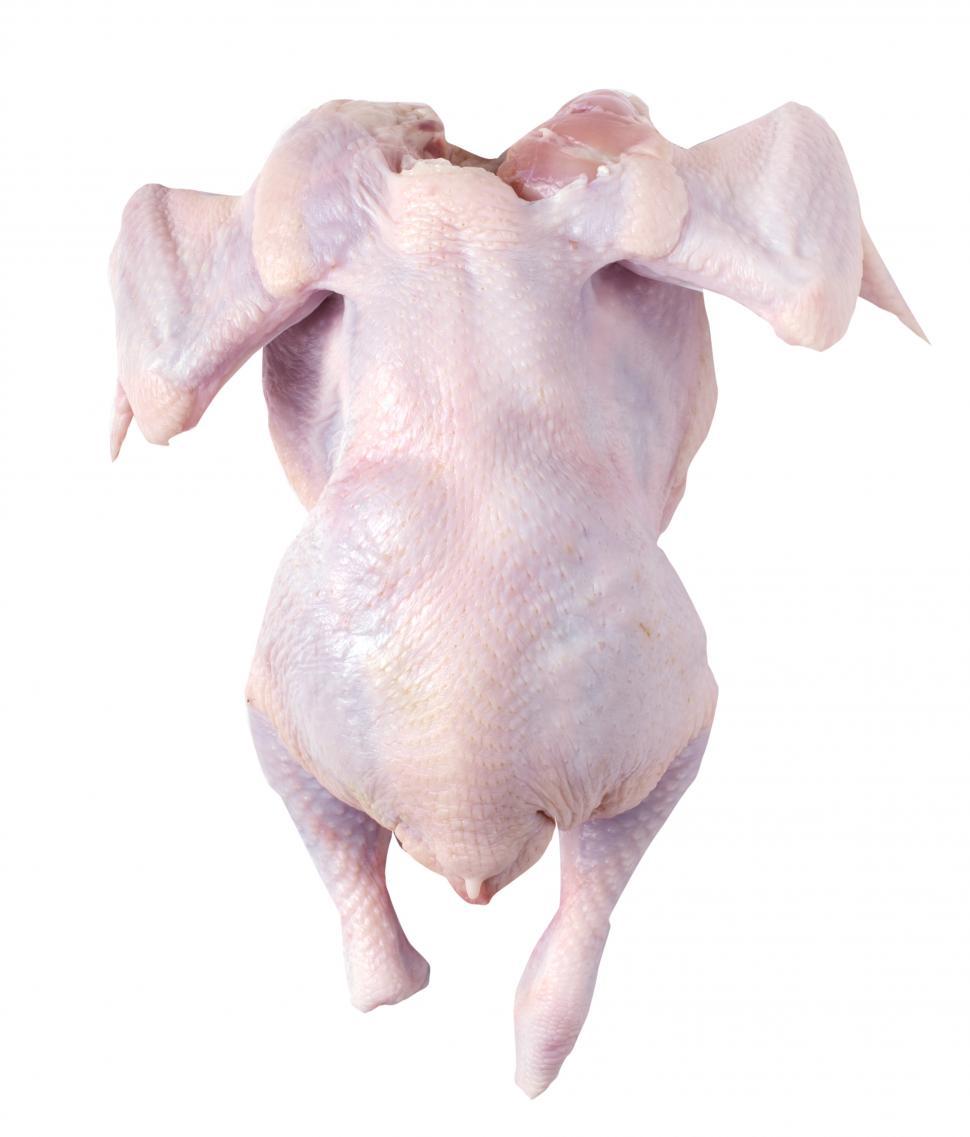
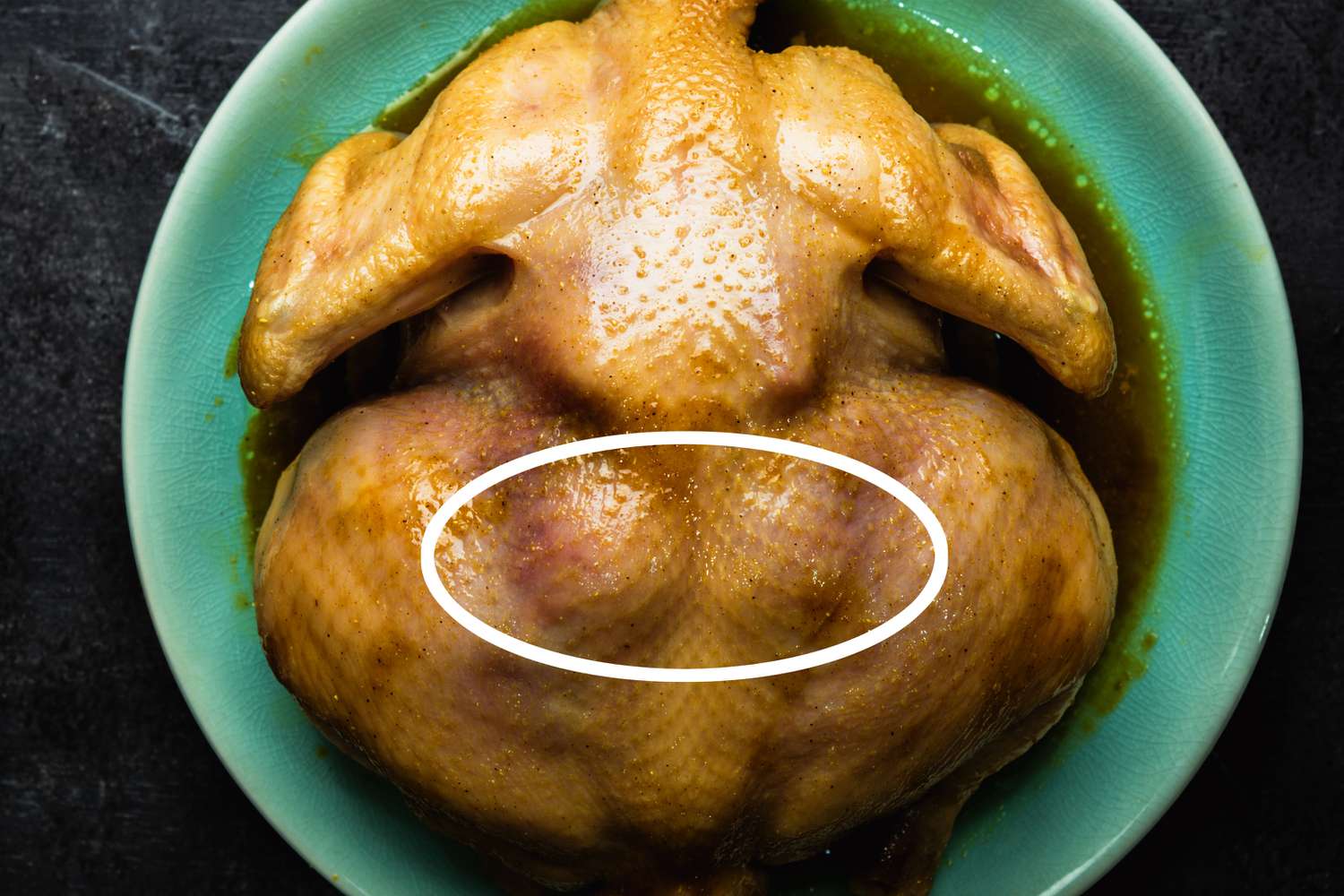
Poultry connoisseurs often name a chicken’s iliotrochantericus caudalis as the most succulent, desirable muscle on the bird. Better known as oysters, these almond-size nuggets sit in the bird’s lower back near the thighs. Succulent they are indeed, leading to their French name, sot-l’y-laisse (“the fool leaves it”). The Japanese turn them into yakitori called soriresu.
As delicious as these morsels are, however, they are not my favorite part of the chicken. The delicacy I love most is harder to get at, especially without using your teeth. In the second segment of a chicken’s wing—its forearm, so to speak—are two bones, the radius and ulna, just as in us humans.
It’s what lies between these bones that excites me. The extonsor carpi ulnaris and extensor carpi radialis, which the bird uses to extend and retract his wingtips, are hardly bigger than matchsticks, and from a plate of wings you’ll get barely a mouthful. But though some excavation is required, the effort is worthwhile.
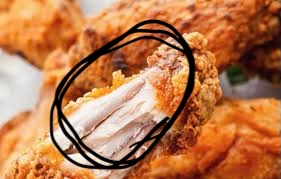
Keep your drumettes and give me your flats and I’ll be happy. I’ll nibble and gnaw my way past the skin and through the forearm’s outer musculature, pull away one of the bones with my teeth, and gleefully extract the bits in question. Those are what make chicken wings worth my time.